

Imagine waking up tomorrow and noticing a small blind spot in your vision.
Not enough to alarm you.
Just enough to make you blink a few extra times.
A few weeks later, it’s still there.
Months pass. Maybe years.
Then one day, you realize part of your vision is simply…gone.
The frightening part isn’t the blindness.
It’s that it happened so quietly you never knew it was starting.
Your Eyes Don’t Always Sound the Alarm

Most people assume they’ll know when something is wrong with their eyes.
Pain.
Redness.
Blurred vision.
Something obvious.
But many of the leading causes of vision loss are surprisingly silent in their early stages.
Glaucoma, often called the “silent thief of sight,” can slowly damage the optic nerve while vision seems completely normal. By the time symptoms become noticeable, irreversible damage may have already occurred.
Macular degeneration can begin affecting central vision gradually enough that many people adapt without realizing what’s changing.
Even diabetic eye disease can progress before obvious symptoms appear.
That’s what makes eye health different from many other aspects of health.
Sometimes your eyes can be struggling long before they’re able to tell you.
We Take Vision for Granted Because It’s Always Been There

Think about how many moments in your day depend on healthy vision.
Reading a text from your daughter.
Watching your grandson score his first touchdown.
Driving home after dinner with friends.
Recognizing a familiar face across a crowded room.
Seeing isn’t something most of us actively think about.
Until it becomes harder.
Until street signs aren’t as clear.
Until night driving feels stressful.
Until words seem slightly blurrier than they used to.
Vision isn’t just about what’s on an eye chart.
It’s how we experience almost every meaningful moment in life.
“I’m Fine” Is One of the Most Dangerous Phrases in Eye Care
One of the most common reasons people postpone eye exams is simple:
“I can see fine.”
And often, they’re right.
At least for now.
Seeing clearly does not always mean your eyes are healthy.
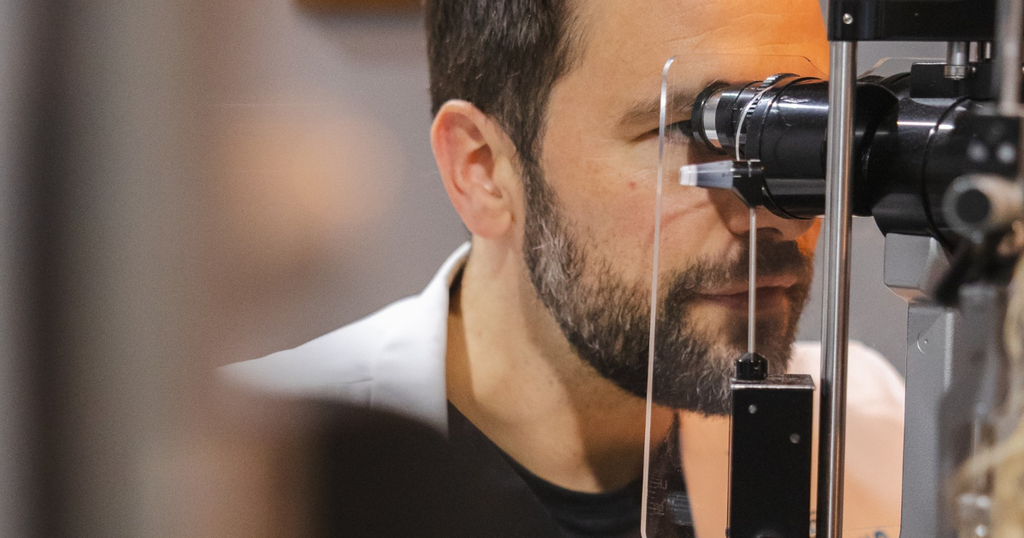
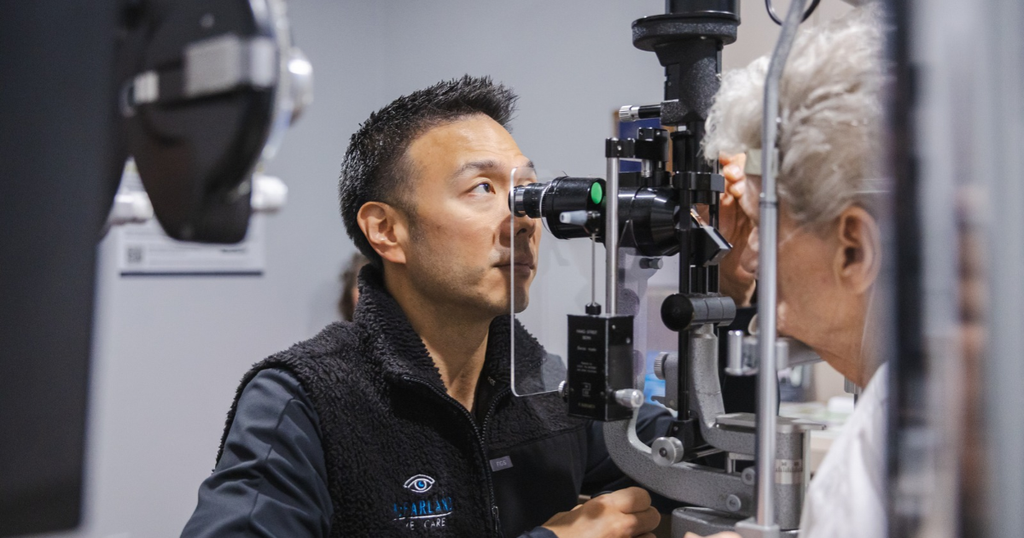
A comprehensive eye exam does much more than determine whether you need glasses.
It allows your eye doctor to evaluate the health of your retina, optic nerve, blood vessels, and other structures that can reveal problems before symptoms begin.
In many cases, early detection is the difference between managing a condition successfully and discovering it after permanent damage has occurred.
Your Eyes Can Reveal More Than Vision Problems
Few people realize that eye exams can uncover signs of health conditions that affect the entire body.
Changes in the blood vessels of the eye can sometimes indicate:
- High blood pressure
- Diabetes
- High cholesterol
- Autoimmune conditions
- Certain neurological disorders
Your eyes are unique because they’re one of the few places in the body where healthcare professionals can directly view blood vessels and nerve tissue without surgery.
In some cases, an eye exam has provided the first clue that a patient needed additional medical care.
That’s pretty remarkable for something many people think is simply a vision check.
The Future of Your Vision Is Being Built Today

Most vision problems don’t begin the day they’re discovered.
They develop gradually.
Quietly.
Over time.
The choices you make today matter.
Wearing UV-protective sunglasses.
Managing health conditions like diabetes and hypertension.
Taking breaks from screens.
Getting quality sleep.
Scheduling regular comprehensive eye exams.
These simple habits help protect the eyesight you’ll rely on years from now.
The Goal Isn’t Better Vision.
It’s More Moments.
At McFarland Eye Care, we help people see clearly every day.
But what we’re really protecting are the moments that vision makes possible.
The faces you love.
The places you want to go.
The memories you haven’t made yet.
Because when it comes to your eyesight, the most dangerous problems are often the ones you can’t see coming.
And the best time to protect your vision is long before you think you need to.