
Cataracts, Eye Health, Glaucoma, Macular Degeneration
It starts innocently enough.
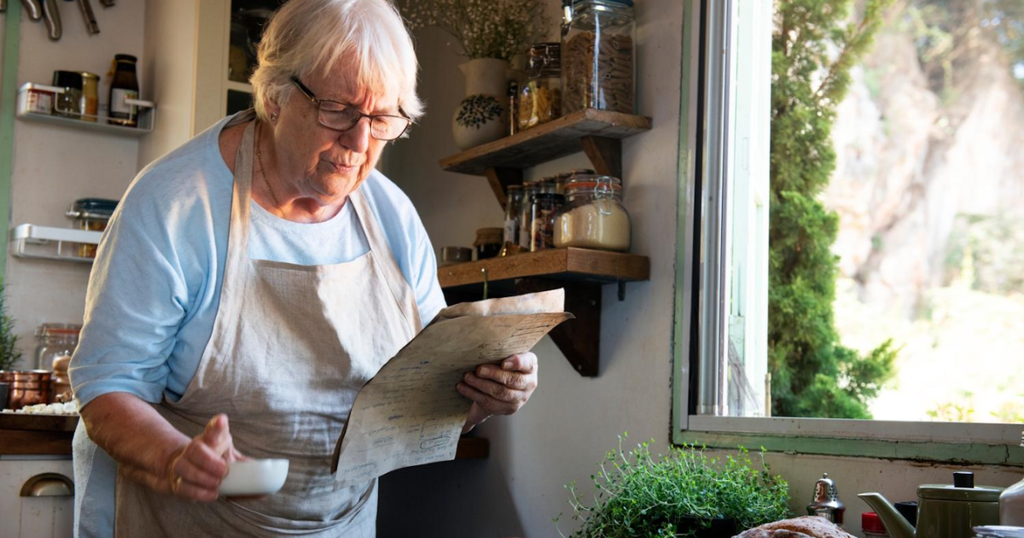
You’re standing in the kitchen, trying to read your grandmother’s handwritten Thanksgiving recipe.
You move it a little farther away.
Then a little farther.
You turn on another light.
Eventually, you hand it to someone younger and ask, “What does that say?”
Somewhere between reading restaurant menus with your phone flashlight and increasing the font size on your text messages, you begin to wonder:
When did everyone start making the print so small?
Well, we have some news.
The print probably hasn’t changed.
The Long-Arm Phase of Life
There comes a point in life when your arms suddenly aren’t long enough.
Eye doctors call the underlying reason presbyopia, a natural change in your eyes that typically becomes noticeable in your 40s.
When you’re younger, the lens inside your eye is flexible, allowing you to shift your focus between objects near and far. As you age, that lens gradually becomes less flexible, making it more difficult to focus on things up close.
It’s not something you did wrong. It’s not because you read too many books or spent too much time on your phone.
It’s simply part of getting older.
The Little Things You’ve Probably Started Doing
Vision changes don’t always announce themselves. Sometimes, they quietly become part of your daily routine.
Maybe you’ve started:
- Taking a picture of a label so you can zoom in on it.
- Avoiding the smaller print on restaurant menus.
- Keeping reading glasses in every room of the house.
- Asking your spouse to thread a needle.
- Increasing the brightness and text size on your phone.
- Putting off reading until you’re somewhere with better lighting.
- Taking your glasses off to read something up close.
Individually, these things don’t seem like a big deal.
But collectively, they tell a story about how your vision may be changing.
Just Because It’s Normal Doesn’t Mean You Have to Live With It
Somewhere along the way, we’ve accepted the idea that getting older means things simply have to become more difficult.
We disagree.
You shouldn’t have to struggle to read a bedtime story to your grandchildren.
You shouldn’t have to guess how much cinnamon goes into the family recipe.
You shouldn’t have to hand someone else your menu and ask them to order for you.
Depending on your eyes and lifestyle, there are several options that may help, including reading glasses, progressive lenses and multifocal contact lenses.
The goal isn’t just to help you read smaller letters on an eye chart. It’s to help you comfortably do the things that make up your life.
Before You Buy Your Fifth Pair of Reading Glasses…
Let’s talk about something important.
While presbyopia is a normal part of aging, not every vision change should be blamed on getting older.
Other eye conditions, including cataracts, glaucoma and age-related macular degeneration, can also develop as we age. Some may progress without noticeable symptoms in their early stages.
That’s why a comprehensive eye exam matters.
It’s an opportunity to understand not only how well you’re seeing, but how healthy your eyes are.
And if your vision changes suddenly, don’t assume it’s simply age-related. Seek immediate medical attention.
Be Thankful for the Things You Get to See
This Thanksgiving, take a moment to look around the table.
Notice the familiar faces.
The handwritten recipes that have been passed down through generations.
The little ones who somehow look older every time you see them.
The photographs that come out of storage and bring decades of memories back into the room.
These are the things worth seeing clearly.
Getting older is a privilege. Being able to fully experience the moments that come with it is something worth protecting.
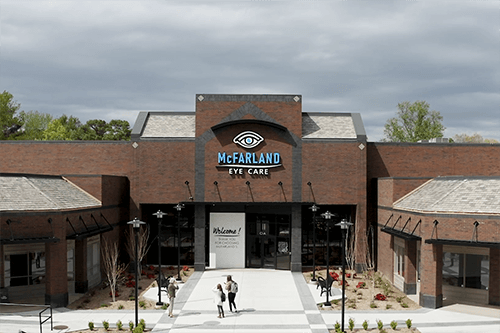
At McFarland Eye Care, we’re here to help you care for your vision through every season of life.
Because life is full of beautiful details. You deserve to see them.
Schedule your comprehensive eye exam with McFarland Eye Care today.