
If it feels like more children are wearing glasses than ever before, you’re not imagining it.
Across the United States, childhood nearsightedness, also known as myopia, is rapidly increasing. Eye doctors are diagnosing children at younger ages, and many kids are experiencing faster changes in their vision year after year.
At McFarland Eye Care, our Team are seeing this trend firsthand. More parents are asking questions like:
- Why is my child’s vision getting worse?
- Does screen time cause nearsightedness?
- Can myopia be slowed down?
- How often should kids have eye exams?
Let’s break down what parents need to know about childhood myopia and why early eye care matters more than ever.
What Is Myopia?

Myopia, or nearsightedness, means distant objects appear blurry while close-up objects remain clear.
Children with myopia may:
- Squint frequently
- Sit very close to screens
- Hold books close to their face
- Struggle to see the classroom board
- Complain of headaches or eye strain
- Blink excessively or rub their eyes
Myopia typically begins during childhood and often worsens as children grow.
Why Are More Kids Becoming Nearsighted?
There is no single cause, but researchers believe several modern lifestyle changes are contributing to the dramatic rise in childhood myopia.
Increased Screen Time
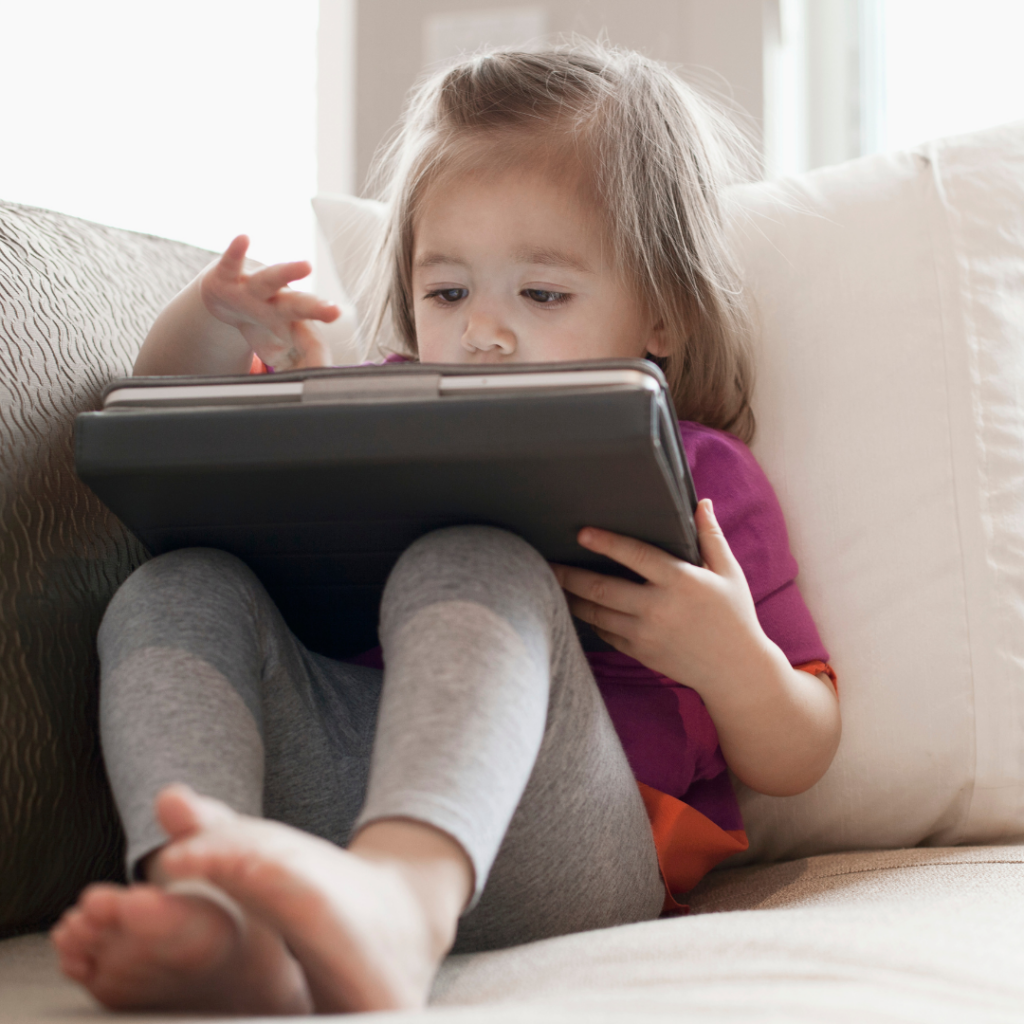
Today’s children spend more time indoors and on digital devices than any previous generation.
Tablets, phones, computers, gaming systems, and even schoolwork all require prolonged near focusing. While screens themselves may not directly “damage” the eyes, excessive near work is strongly associated with worsening nearsightedness.
Many children now spend hours each day:
- Reading on tablets
- Watching videos
- Gaming
- Scrolling phones
- Completing digital school assignments
Without breaks, this constant close focusing can place significant strain on developing eyes.
Does Screen Time Cause Nearsightedness?
Screen time alone is probably not the only cause, but it is absolutely part of the conversation.
Research suggests that prolonged near work combined with limited outdoor activity may increase the risk of developing myopia and accelerate progression in children who are already nearsighted.
This is why eye doctors often recommend:
- Limiting unnecessary screen time
- Encouraging outdoor play
- Taking frequent visual breaks
One helpful guideline is the 20-20-20 Rule:
Every 20 minutes, look at something 20 feet away for at least 20 seconds.
Simple? Yes.
Important? Also yes.
Why Outdoor Time Matters for Kids’ Vision

One of the strongest protective factors against childhood myopia is outdoor time.
Studies show children who spend more time outside may have a lower risk of developing nearsightedness.
Natural sunlight and distance viewing appear to support healthy visual development in growing eyes.
Most eye care professionals recommend aiming for:
- At least 1.5 to 2 hours of outdoor activity daily when possible
That does not mean structured sports only.
Bike rides, playground time, walks, sidewalk chalk, and backyard play all count.
Why Progressive Myopia Matters
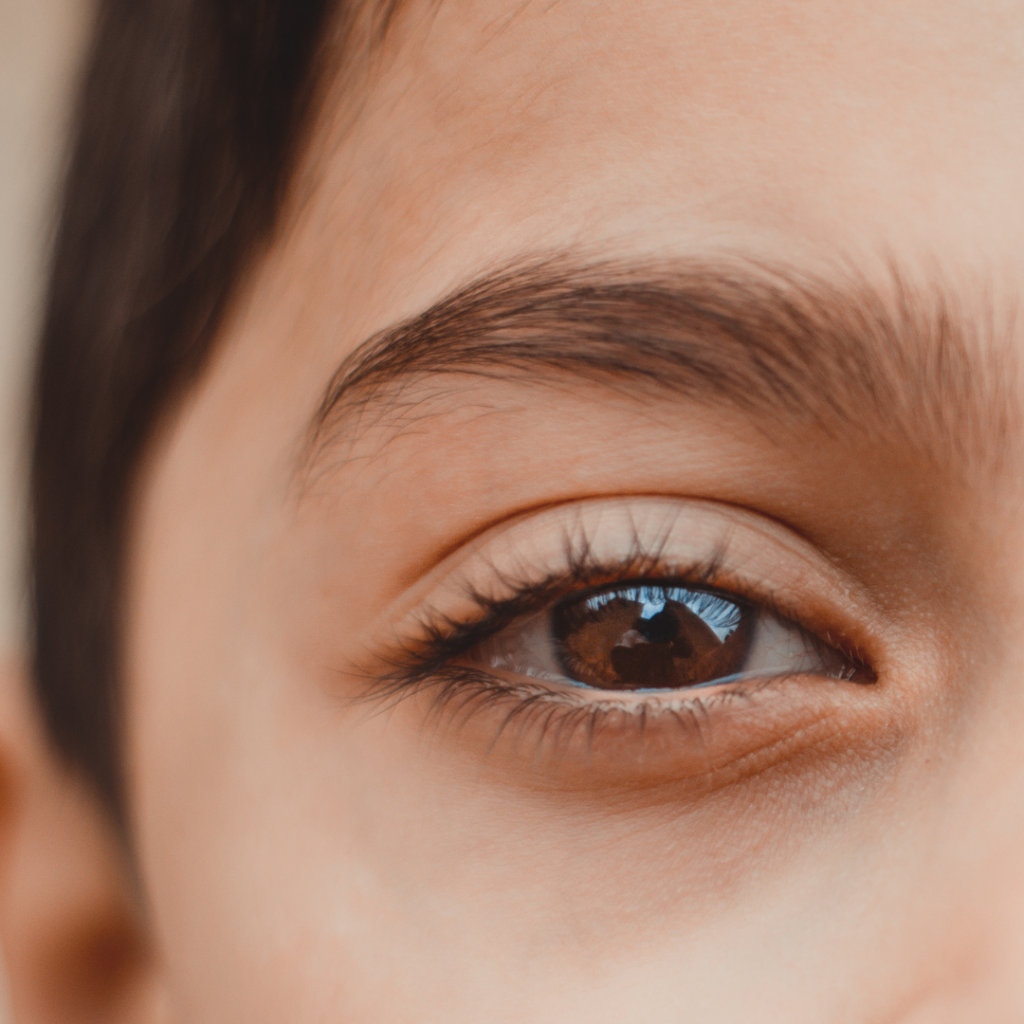
Many people think needing glasses is “not a big deal.” While glasses help children see clearly, rapidly worsening myopia can increase the risk of serious eye health conditions later in life.
Higher levels of myopia are associated with increased risks of:
- Retinal detachment
- Glaucoma
- Cataracts
- Myopic macular degeneration
That’s why monitoring childhood vision changes is so important.
The goal is not just clearer vision today.
It’s protecting long-term eye health for the future.
Can Myopia Be Slowed Down?
In many cases, yes.
This area of eye care is called myopia management.
Depending on your child’s age, prescription, eye health, and progression rate, treatment options may help slow worsening nearsightedness.
Myopia management options may include:
- Specialty contact lenses
- Orthokeratology (Ortho-K)
- Multifocal lenses
- Lifestyle changes
- Increased outdoor activity
- Reduced prolonged near work
Not every child is a candidate for every treatment, which is why comprehensive pediatric eye exams are essential.
How Often Should Children Have Eye Exams?
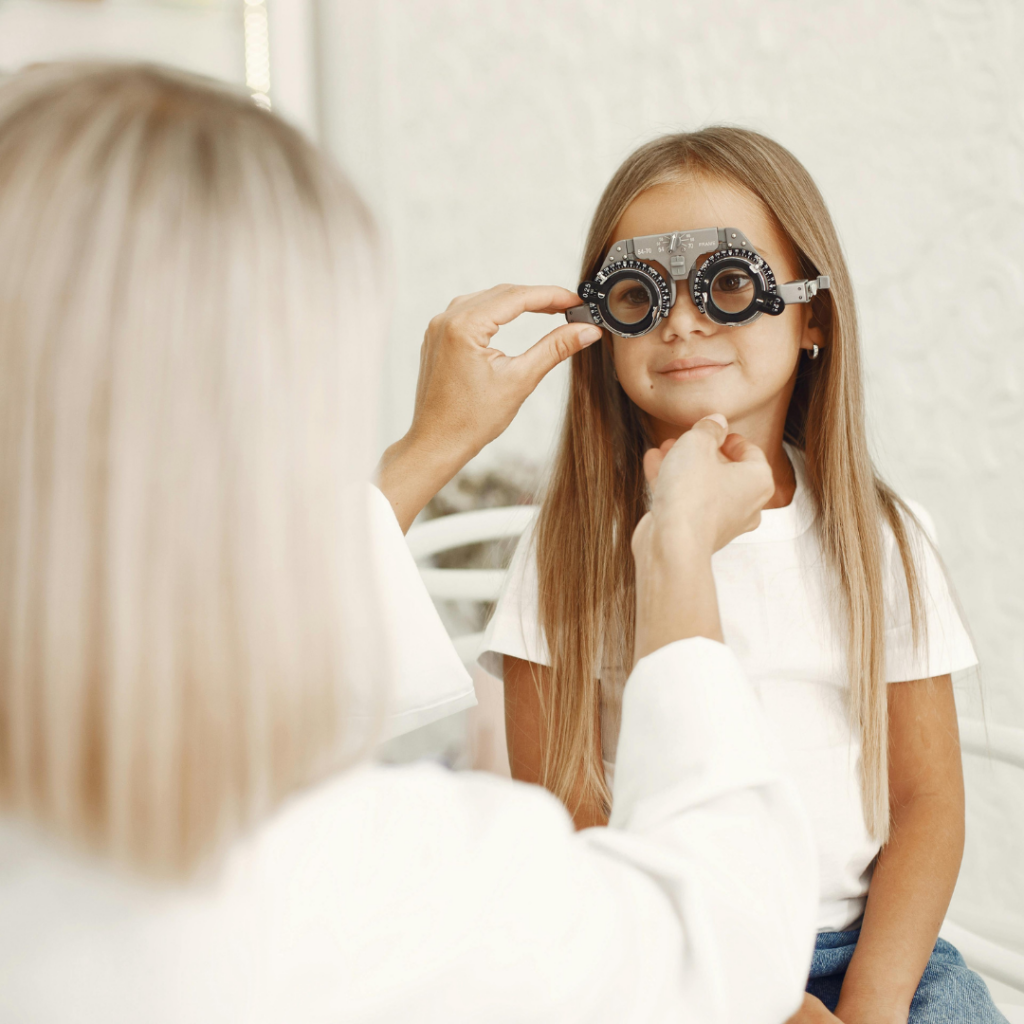
Many parents assume school vision screenings are enough, but screenings can miss important vision and eye health problems.
A comprehensive eye exam evaluates:
- Visual acuity
- Eye teaming
- Focusing ability
- Eye health
- Prescription changes
- Early signs of progressive myopia
Children should have routine comprehensive eye exams even if they are not complaining about their vision.
Some kids simply assume blurry vision is normal because they’ve never experienced anything different.
Signs Your Child May Need an Eye Exam
Schedule an eye exam if your child:
- Squints often
- Complains of blurry distance vision
- Experiences headaches
- Avoids reading
- Moves closer to screens
- Struggles in school
- Has rapidly changing glasses prescriptions
- Has a family history of myopia
Early detection makes a difference.
Pediatric Eye Care at McFarland Eye Care
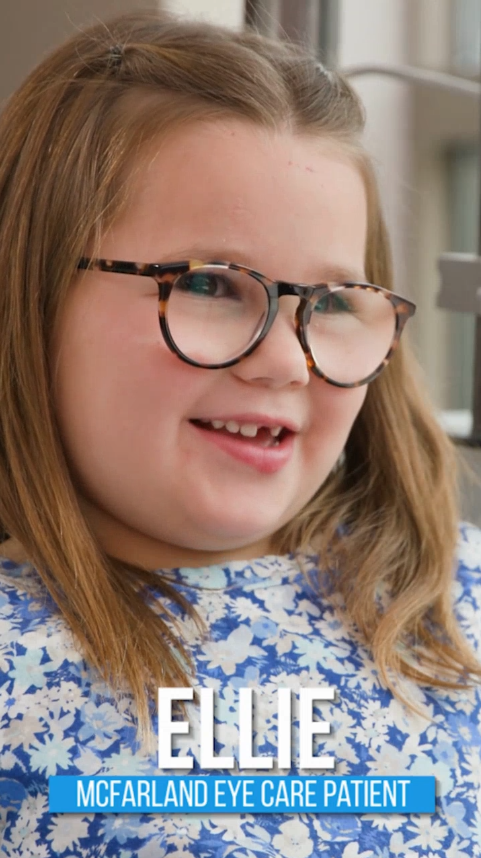
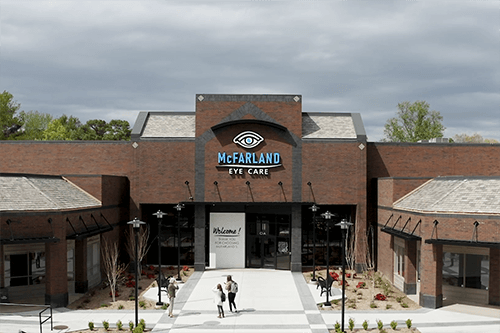
At McFarland Eye Care, our Team provides comprehensive pediatric eye exams to help children see clearly and support healthy visual development as they grow.
We evaluate:
- Vision development
- Eye coordination
- Eye health
- Prescription changes
- Signs of progressive myopia
Our goal is to help families understand their child’s vision and create personalized recommendations for long-term eye health.
If your child has been squinting, struggling to see at school, or experiencing rapidly changing prescriptions, it may be time for a comprehensive eye exam.
Schedule Your Child’s Eye Exam
Clear vision plays a major role in learning, confidence, development, and everyday life.
If you have concerns about your child’s vision, the Team at McFarland Eye Care is here to help.
Schedule a pediatric eye exam today and let’s protect your child’s vision for the future.