
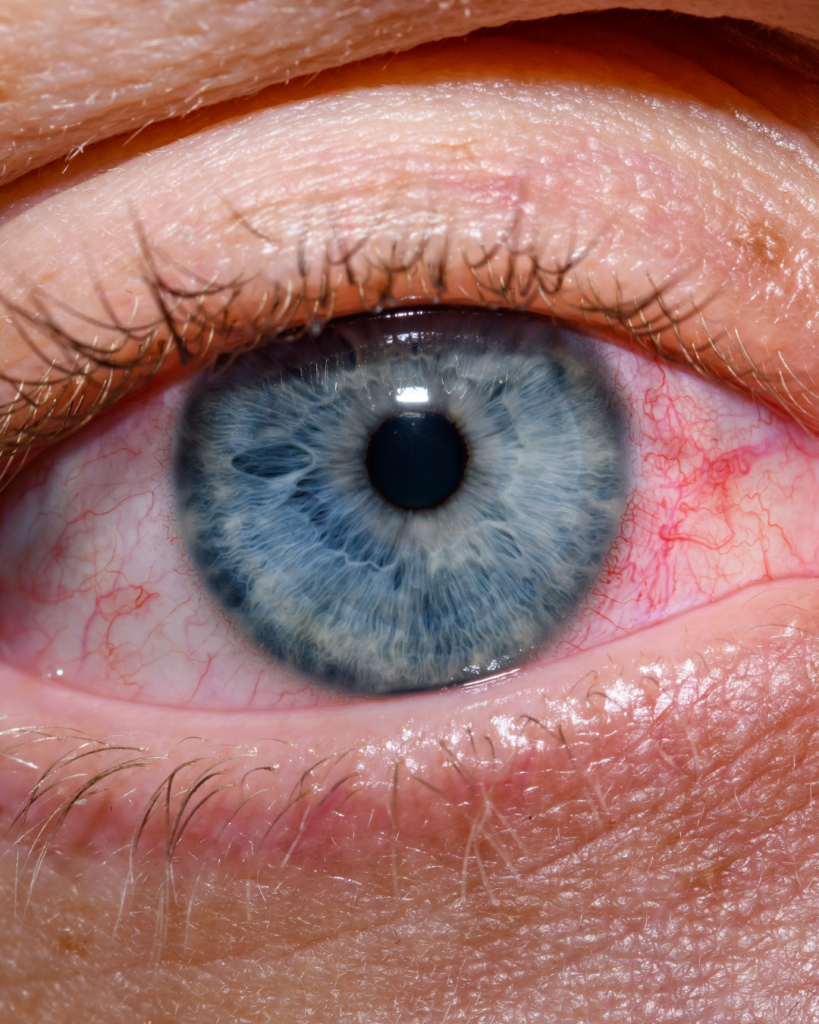
If your eyes are itchy, watery, red, or irritated, you may assume allergies are to blame. But for many patients, the real issue is actually dry eye disease.
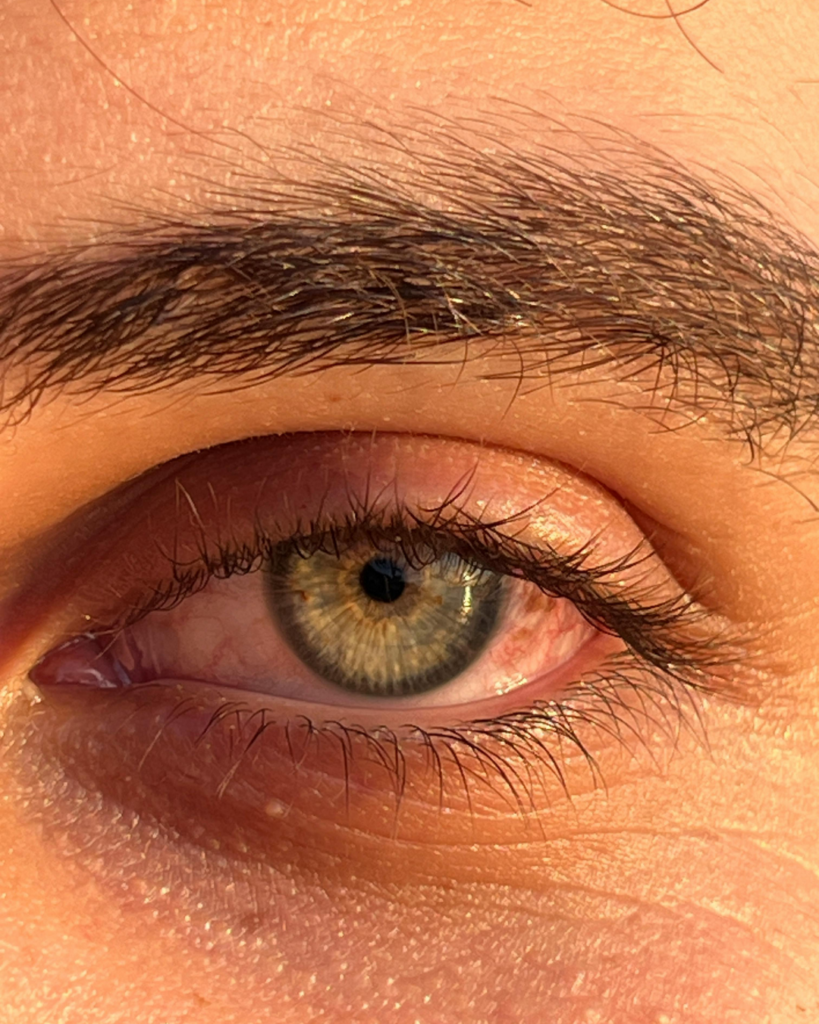
The tricky part? Dry eye and eye allergies often look very similar at first. Both can cause redness, irritation, watering, and discomfort, making it difficult to know what’s actually causing your symptoms.
At McFarland Eye Care, we help patients every day who have been treating “allergies” for months when dry eye disease was the real culprit all along.
So how can you tell the difference?
What Is Dry Eye Disease?
Dry eye disease happens when your eyes either:
- do not produce enough tears
- produce poor quality tears
- or tears evaporate too quickly
Healthy tears are essential for keeping the surface of the eye smooth, comfortable, and protected. When the tear film becomes unstable, irritation begins.
Dry eye is becoming increasingly common due to:
- increased screen time
- aging
- hormonal changes
- contact lens wear
- certain medications
- environmental factors
- underlying inflammation
Common Dry Eye Symptoms
Patients with dry eye often experience:
- burning eyes
- stinging
- fluctuating blurry vision
- watery eyes
- light sensitivity
- eye fatigue
- redness
- a gritty or sandy sensation
- discomfort while using screens
One of the biggest surprises for patients is learning that watery eyes can actually be a sign of dry eye.
When the eyes become irritated from dryness, they may overproduce reflex tears in an attempt to compensate. Unfortunately, those tears usually lack the proper oil balance needed to truly hydrate the eyes.
What Are Eye Allergies?
Eye allergies occur when allergens trigger an immune response in the eyes. Common triggers include:
- pollen
- dust
- pet dander
- mold
- grass
- seasonal allergens
When exposed to allergens, the body releases histamines, leading to inflammation and irritation.
Common Eye Allergy Symptoms
Eye allergies often cause:
- intense itching
- puffiness
- tearing
- redness
- swollen eyelids
- sneezing
- nasal congestion
If itching is your primary symptom, allergies are often more likely.
Dry Eye vs Eye Allergies: What’s the Biggest Difference?
The easiest way to think about it is this:
Dry Eye
Feels more like:
- burning
- irritation
- tiredness
- grittiness
- fluctuating vision
Eye Allergies
Feel more like:
- itching
- puffiness
- swelling
- sneezing
- seasonal flare-ups
But here’s where it gets complicated.
Many patients actually have both conditions at the same time.
Allergies can worsen dry eye inflammation, and some allergy medications may even contribute to dryness. That’s why getting the correct diagnosis matters.
Why Your Eyes Water When They’re Dry
This confuses patients constantly.
“You’re telling me my eyes are dry… but they won’t stop watering?”
Yes. It sounds backwards, but it’s incredibly common.
When the eye surface becomes irritated from dryness, the eyes respond by flooding themselves with emergency tears. The problem is these tears are poor quality and evaporate quickly, so the cycle continues.
It’s like trying to fix a leaking roof with a garden hose.
Why Screen Time Makes Dry Eye Worse

Blinking plays a huge role in maintaining a healthy tear film.
When we stare at phones, tablets, or computers, our blink rate drops dramatically. Less blinking means tears evaporate faster.
That’s one reason dry eye symptoms often worsen:
- at work
- while driving
- reading
- or scrolling on devices
And yes, your eyes absolutely know when you’ve been doom-scrolling for three straight hours at midnight.
When Should You See an Eye Doctor?
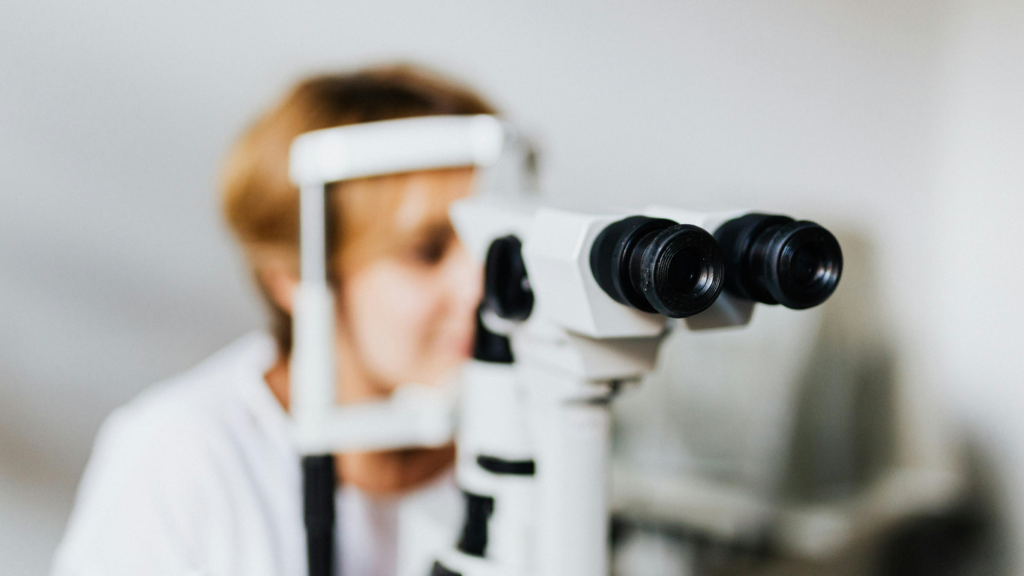
You should schedule an eye evaluation if you experience:
- persistent redness
- burning or irritation
- excessive tearing
- blurry vision
- discomfort with contacts
- chronic itching
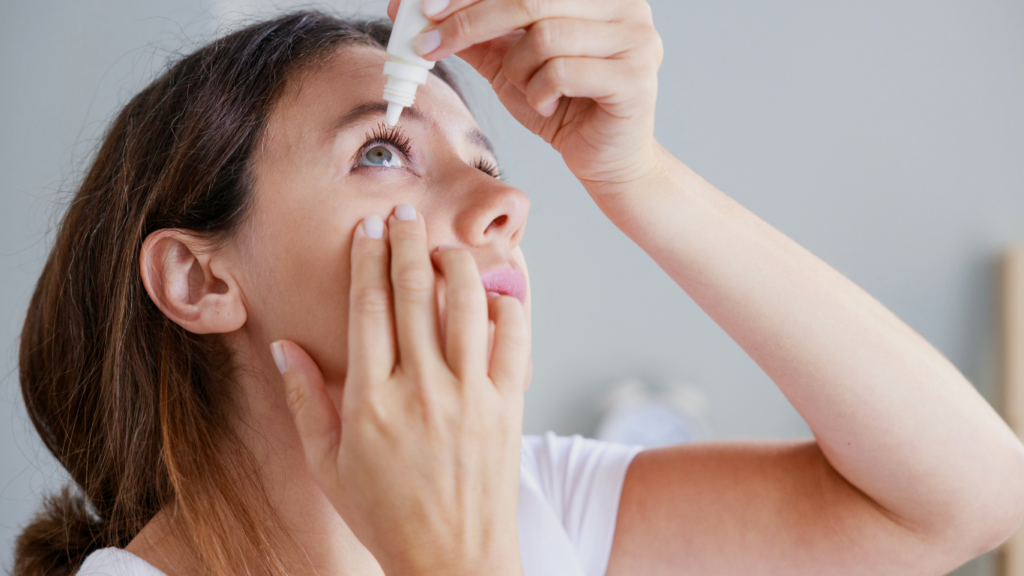
- symptoms that are not improving with over-the-counter drops
Using the wrong treatment can sometimes make symptoms worse.
Many “redness relief” drops temporarily whiten the eyes but may actually increase irritation over time.
Dry Eye Treatment Options at McFarland Eye Care
At McFarland Eye Care, we offer advanced dry eye evaluations to determine the true cause of your symptoms.

McFarland Eye Care’s dedicated dry eye specialist focused on helping patients find lasting relief from burning, itching, redness, watery eyes, and chronic irritation. Personalized care starts with identifying the root cause of your symptoms, not just treating the surface.
Our dry eye specialist, Dr. Paige Harvey, works closely with patients to identify the underlying cause of chronic irritation and create customized treatment plans designed for long-term relief. Whether your symptoms are mild or severe, you can easily book a consultation with Dr. Harvey for all your dry eye needs.
Treatment may include:
- prescription dry eye medications
- artificial tears
- eyelid hygiene treatments
- thermal treatments
- IPL therapy
- LLLT therapy
- lifestyle modifications
- allergy management strategies
The goal is not just temporary relief. We want to improve the health of the tear film itself.
Don’t Ignore Chronic Eye Irritation
If your eyes constantly feel irritated, tired, watery, or itchy, don’t assume it’s “just allergies.”
The right diagnosis can make a major difference in both comfort and long-term eye health.
If you’re experiencing dry eye symptoms or chronic eye irritation, Dr. Paige Harvey and our team at McFarland Eye Care can help determine what’s really going on and create a personalized treatment plan for you.
Schedule your dry eye evaluation today and let’s get your eyes comfortable again.