

We won’t judge you here.
But if we could eliminate a few common habits from our patients’ routines, we absolutely would.
Some of these mistakes seem harmless: falling asleep in contact lenses, grabbing whatever eye drops happen to be nearby or waiting until your vision becomes blurry before scheduling an exam. Unfortunately, seemingly minor shortcuts can lead to irritation, infection or delayed diagnosis of a serious eye condition.
Here are eight things your eye doctor wishes you would stop doing—and what to do instead.
1. Stop Sleeping in Your Contact Lenses

You may have done it before without a problem. That does not make it safe.
Sleeping in contact lenses limits the amount of oxygen reaching the cornea and gives bacteria more opportunity to cause an infection. According to the Centers for Disease Control and Prevention, sleeping in contact lenses increases the risk of a contact lens-related eye infection by six to eight times. Some infections can cause permanent eye damage. Centers for Disease Control and Prevention
That includes naps. A quick afternoon nap still counts as sleeping in your lenses.
Unless your eye doctor has specifically instructed you otherwise, remove your contacts before going to sleep.
2. Stop Showering or Swimming in Your Contacts

Contact lenses and water are a bad combination.
Water is not sterile. It can contain microorganisms that may become trapped between the lens and the surface of your eye. This can increase your risk of a painful corneal infection.
The CDC recommends removing contact lenses before showering or swimming. You should also avoid rinsing your lenses or contact-lens case with tap water. Use fresh contact-lens solution and follow the replacement schedule provided by your eye doctor. Centers for Disease Control and Prevention
If you need vision correction while swimming, ask your eye doctor about prescription goggles or other safer options.
3. Stop Putting Random Drops in Your Eyes
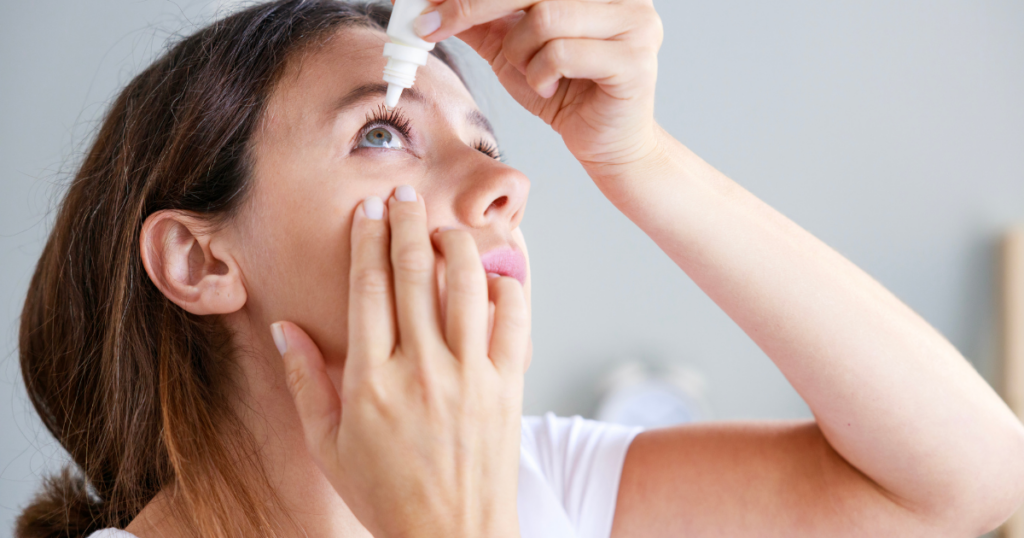
Not every small bottle in the medicine cabinet contains eye drops.
Ear drops, prescription medications, skin treatments and even adhesive products can come in bottles that look surprisingly similar. Read the label every single time before putting anything in your eyes.
Even actual eye drops are not interchangeable. A drop intended for allergies may not help dry eye. A family member’s prescription medication may be unsafe for your condition. Expired or recalled products could also present a risk.
Use only products labeled for ophthalmic or eye use, follow the instructions and never share prescription eye drops. If you are unsure which product you need, call your eye doctor instead of guessing.
If you accidentally put the wrong substance in your eye, rinse the eye with clean, lukewarm water and contact your eye doctor, Poison Control or emergency services as appropriate.
4. Stop Treating Redness Without Asking Why Your Eye Is Red
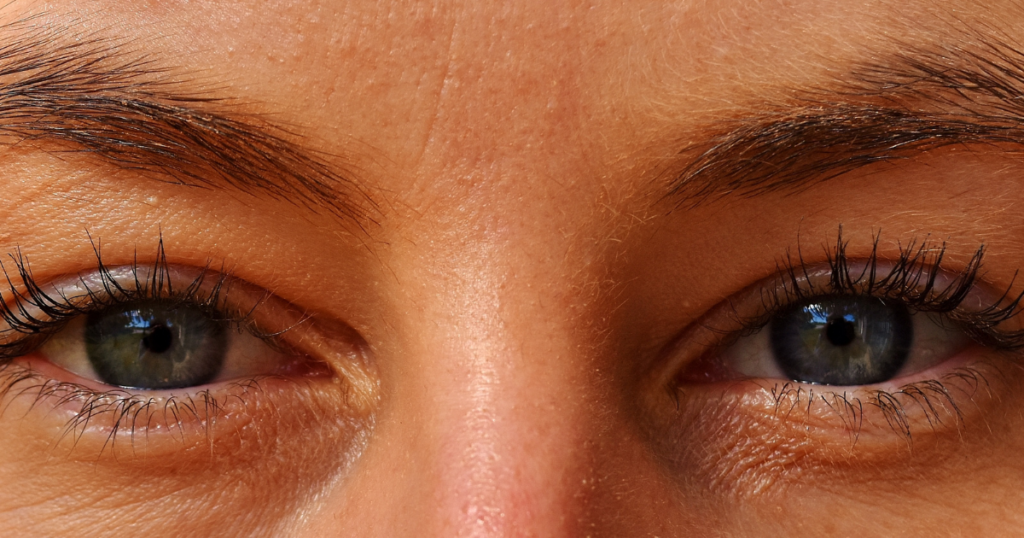
Redness is a symptom—not a diagnosis.
Your eye may be red because of dryness, allergies, inflammation, an infection, a scratch, contact-lens irritation or another problem. Drops marketed to “get the red out” may temporarily change the appearance of your eyes without addressing the cause.
Some redness-relief drops can also cause increased redness when overused. FDA-required warnings for certain over-the-counter ophthalmic products advise patients to stop use and consult a doctor if they experience eye pain, vision changes or redness that worsens or lasts longer than 72 hours. U.S. Food and Drug Administration
If redness keeps returning, stop covering it up and find out what is causing it.
5. Stop Rubbing Your Eyes

We know—it can feel good for a second.
But aggressive or repeated rubbing may further irritate the eye’s surface. Your hands can also transfer allergens, oil and germs directly to your eyes.
If your eyes constantly itch, burn or feel gritty, rubbing is not solving the problem. Persistent symptoms may be related to allergies, dry eye, eyelid inflammation or another condition that needs appropriate treatment.
Try a clean, cool compress and make an appointment if the discomfort continues. Your eye doctor can help identify the reason your eyes are bothering you instead of leaving you trapped in the itch-rub-irritation cycle.
6. Stop Blaming Every Headache on Your Screen

Screens can contribute to tired, dry or uncomfortable eyes—but they are not the answer to every symptom.
People tend to blink less while looking at phones, tablets and computers. The American Academy of Ophthalmology reports that a normal blink rate may be cut in half during screen use or other close work. Less blinking allows tears to evaporate more quickly, which can contribute to dryness and fluctuating vision. American Academy of Ophthalmology
Regular breaks, complete blinking and an appropriate viewing distance may help. However, persistent headaches or blurry vision could also be associated with an outdated prescription, focusing difficulty, dry eye or something unrelated to the eyes.
If symptoms keep interrupting your day, an examination is more useful than ordering another pair of trendy glasses online.
7. Stop Ignoring Sudden Changes in Your Vision
Some symptoms should never be placed on a “wait and see” list.
Contact an eye-care provider promptly if you suddenly experience:
- New flashes of light
- A sudden increase in floaters
- A dark curtain, shadow or missing area in your vision
- Sudden vision loss
- Significant eye pain
- Severe redness
- Vision changes following an eye injury
- New double vision
These symptoms do not automatically mean something serious is happening, but they can be associated with conditions that require urgent evaluation. Waiting for the symptoms to disappear could put your vision at risk.
When vision changes suddenly, it is better to make the call and discover that everything is okay than to ignore a time-sensitive problem.
8. Stop Waiting Until You Cannot See to Schedule an Eye Exam
Being able to read the eye chart does not mean your eyes are completely healthy.
Several eye diseases can develop without obvious symptoms in their early stages. Glaucoma, for example, may progress so gradually that a person does not notice the vision loss. The National Eye Institute states that a comprehensive dilated eye exam is the only way to detect many eye diseases early, when they may be easier to treat. National Eye Institute
An eye examination evaluates more than whether you need glasses. Depending on your needs and risk factors, it can help your doctor assess the health of your cornea, lens, retina, optic nerve and other structures of the eye.
Your recommended exam schedule may depend on your age, medical history, family history, medications and existing eye conditions. Patients with diabetes and those at increased risk for certain eye diseases may need more frequent care.
Your Eyes Should Not Have to Beg for Attention
Most patients are not intentionally putting their vision at risk. They simply do not realize that a familiar habit could cause a problem—or that an eye condition may be developing before their vision noticeably changes.
The goal is not perfection. It is paying attention, making safer choices and knowing when a symptom deserves professional care.
At McFarland Eye Care, our Team provides comprehensive eye care for patients throughout Central Arkansas. Whether you are experiencing new symptoms, struggling with contact lenses or simply overdue for an examination, we are here to help you understand what your eyes need.
Stop guessing about your eye health. Schedule an appointment with McFarland Eye Care today.