
As parents prepare for a new school year, they often focus on school supplies, schedules, and extracurricular activities. One important item that is often overlooked is an annual comprehensive eye exam.
Because as much as 80% of a child’s learning is visual, undetected vision problems can significantly impact classroom performance, reading comprehension, attention span, and overall confidence. Scheduling an eye exam before school starts can help set your child up for success both inside and outside the classroom.
Why Back-to-School Eye Exams Matter
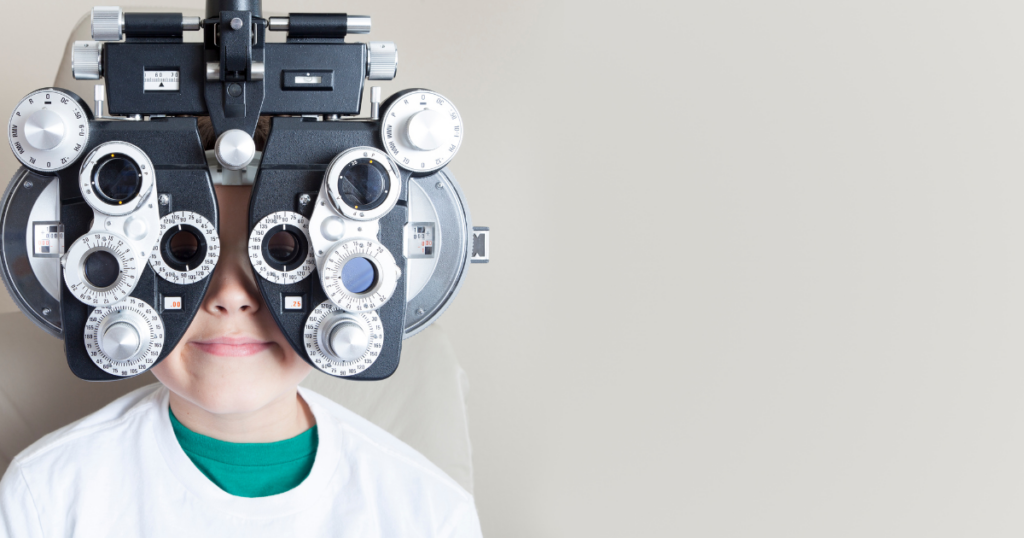
Many vision problems develop gradually, making them difficult for children to recognize or communicate. A child may believe everyone struggles to see the board, experiences headaches while reading, or has trouble focusing on homework.
Even if your child passes a school vision screening, that does not replace a comprehensive eye exam. Vision screenings typically identify only a limited range of vision issues and may miss underlying eye health concerns or focusing problems.
Learn more about our comprehensive pediatric eye exams.
Back-to-School Eye Exam Checklist
Before the first day of school, consider the following checklist:
✅ Schedule a Comprehensive Eye Exam
A comprehensive eye exam evaluates more than just visual acuity. Your eye doctor can assess:
- Near and distance vision
- Eye teaming and tracking
- Depth perception
- Color vision
- Eye health
- Signs of developing eye conditions
Schedule your child’s annual eye exam today.
✅ Watch for Signs of Vision Problems
Your child may benefit from an eye exam if you notice:
- Squinting frequently
- Sitting too close to screens
- Holding books very close
- Frequent headaches
- Rubbing their eyes often
- Difficulty concentrating while reading
- Poor reading comprehension
- Avoiding homework
Children often adapt to poor vision without realizing it, making routine exams especially important.
Read more about common childhood vision concerns.
✅ Check Current Glasses or Contact Lens Prescriptions
If your child already wears corrective lenses, make sure their prescription is up to date.
Children’s eyes can change quickly, particularly during elementary and middle school years. An outdated prescription can lead to:
- Eye strain
- Fatigue
- Headaches
- Reduced classroom performance
Browse our selection of children’s eyeglass frames.
✅ Create Healthy Screen Time Habits
Today’s students spend significant time using digital devices for both schoolwork and entertainment. Increased screen time can contribute to digital eye strain and may be associated with worsening nearsightedness (myopia). Research continues to show a connection between increased screen use and a higher risk of myopia in children.
Parents can help by encouraging:
- The 20-20-20 Rule
- Every 20 minutes
- Look at something 20 feet away
- For at least 20 seconds
- Regular outdoor activities
- Screen-free breaks throughout the day
- Proper viewing distance from devices
Learn about myopia management options for children.
✅ Make Eye Safety a Priority
As sports and extracurricular activities resume, eye protection becomes increasingly important.
Children participating in activities such as:
- Baseball
- Basketball
- Soccer
- Cheerleading
- Racquet sports
should consider protective eyewear when appropriate.
✅ Pack Eye Health Essentials
Consider adding these items to your child’s back-to-school routine:
- Prescription glasses (if needed)
- A backup pair of glasses
- Contact lens supplies
- Protective sunglasses
- Artificial tears if recommended by your doctor
Protecting young eyes from UV exposure is important year-round, not just during summer months.
Questions Parents Ask About Back-to-School Eye Exams
My Child Passed a School Vision Screening. Do They Still Need an Eye Exam?
Yes. School screenings can identify some vision issues but do not evaluate overall eye health, depth perception, eye coordination, or many common vision disorders. A comprehensive eye exam provides a much more complete evaluation.
How Often Should Children Have Eye Exams?
The American Optometric Association recommends regular eye examinations throughout childhood to monitor vision development and identify problems early.
Give Your Child a Clear View of Success This School Year
Back-to-school preparation isn’t complete without an eye exam. Clear vision supports learning, confidence, athletic performance, and overall well-being.
At McFarland Eye Care, we’re committed to helping children achieve their best both in the classroom and beyond. Our comprehensive eye exams are designed to detect vision problems early and ensure your child has the visual tools they need for a successful school year.
Schedule your child’s back-to-school eye exam today and start the school year with confidence.