

You are giving a presentation, sitting in an important meeting or trying to take the perfect photo—and suddenly, your eyelid begins doing its own tiny dance.
It is distracting. It is irritating. And once you notice it, it somehow becomes impossible to ignore.
The good news? Most occasional eyelid twitches are harmless and temporary. The frustrating news? Your daily habits may be encouraging that tiny muscle to keep misbehaving.
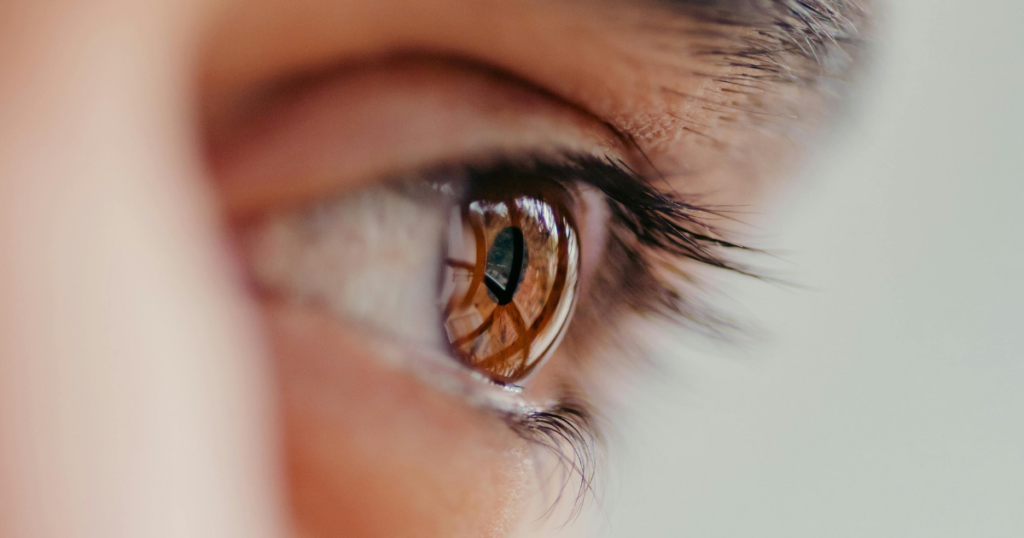
What Is Actually Twitching?
Although it may feel like your entire eyeball is shaking, the movement is usually coming from a small muscle in your eyelid. This common, involuntary eyelid spasm is often called eyelid myokymia.
It typically:
- Affects one eye at a time
- Occurs in the upper or lower eyelid
- Comes and goes without warning
- Lasts for a few seconds or minutes at a time
- Disappears on its own after a few days
The twitch may feel dramatic to you, but it is often so subtle that other people cannot even see it.
Why Does It Always Happen When You’re Already Stressed?
Because stress may be exactly what triggered it.
Your eyelid is not deliberately choosing the most inconvenient moment to revolt. However, several common eye-twitch triggers tend to show up when life gets hectic.
Stress
When your calendar is packed, your inbox is overflowing and your patience is running low, your body may respond in small physical ways—including an eyelid twitch.
Eye twitching is a fairly common response to stress, especially when that stress is combined with poor sleep or extra caffeine.
Not Getting Enough Sleep
Late nights and early alarms do more than make you tired. Fatigue is one of the most common triggers for temporary eyelid twitching.
If your eye begins fluttering after several nights of inadequate rest, your body may be sending you a not-so-subtle reminder: Go to bed.
Too Much Caffeine
Coffee may be helping you survive your schedule, but your eyelid may disagree with your third cup.
Caffeine stimulates the nervous system, and excessive amounts may contribute to muscle twitching. You do not necessarily have to abandon coffee completely, but reducing your intake for several days may help you determine whether caffeine is contributing to the problem.
Remember that caffeine can also hide in energy drinks, tea, soda, chocolate and certain medications.
Digital Eye Strain
Hours spent looking at computers, phones and tablets can leave your eyes feeling tired and uncomfortable. People also tend to blink less frequently while concentrating on a screen, which may contribute to dryness and irritation.
Try following the 20-20-20 rule: Every 20 minutes, look at something approximately 20 feet away for at least 20 seconds. Your eyes deserve a break, even if your inbox does not.
Dry or Irritated Eyes
Sometimes, the twitch is not just about stress or sleep. Dry eye, allergies and irritation along the surface of the eye may also contribute to eyelid spasms.
If your twitching is accompanied by burning, grittiness, watering, redness or fluctuating vision, it may be time to investigate whether dry eye is part of the problem.
Can You Make an Eye Twitch Stop?
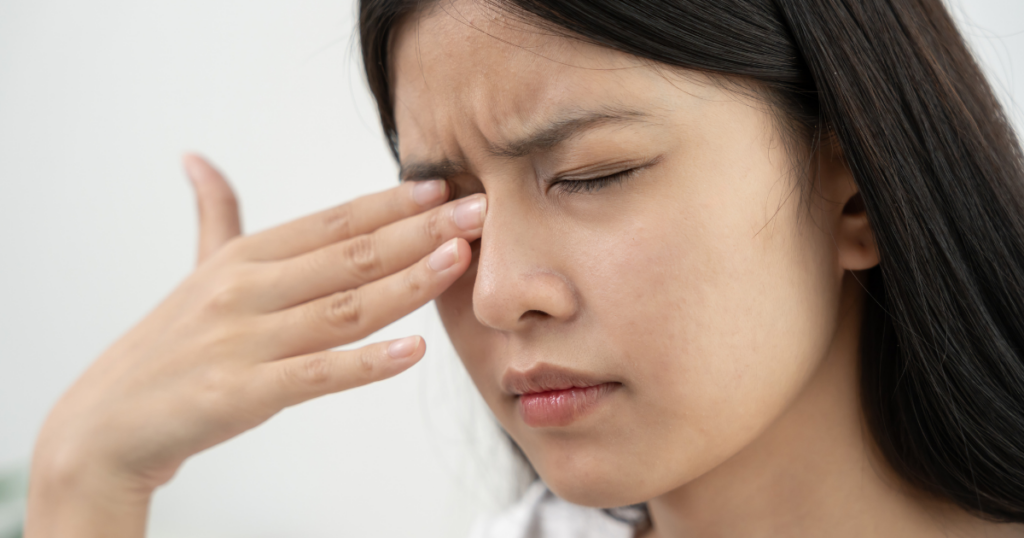
There is no magical “off” button, unfortunately. But addressing the most common triggers may help calm it down.
Try:
- Getting more consistent sleep
- Reducing caffeine for several days
- Taking regular breaks from screens
- Managing stress when possible
- Avoiding rubbing or squeezing the eye
- Using a warm compress over the closed eyelid
- Scheduling an eye examination if your eyes also feel dry or irritated
One warning: Do not start using random eye drops simply because your eyelid is twitching. Different drops are designed for different problems, and products marketed to “get the red out” may not address the actual cause. Ask your eye doctor which option is appropriate for your eyes.
Is Eye Twitching Ever Serious?
Most eyelid twitching is minor and resolves without treatment. However, not every uncontrolled eyelid movement is the same.
Benign essential blepharospasm is a less common condition involving blinking or eyelid movements that a person cannot control. It may begin with occasional twitching but become more frequent or forceful over time. In more advanced cases, the eyelids may close completely and interfere with everyday activities such as reading or driving. The National Eye Institute notes that this condition is different from the occasional twitch commonly associated with stress, fatigue, caffeine or dry eye.
Schedule an evaluation if:
- The twitching continues for several weeks
- Your eyelid closes completely during the twitch
- You have difficulty opening the eye
- Twitching spreads to other parts of your face or body
- Your eye becomes red, swollen, painful or develops discharge
- Your eyelid begins to droop
- You experience changes in your vision
- The twitching becomes frequent enough to affect daily activities
These symptoms do not automatically mean something serious is wrong. They do mean that the problem deserves more attention than another cup of coffee and a promise to sleep more next weekend.
Your Eye May Be Trying to Tell You Something
An occasional eyelid twitch is usually more annoying than alarming. But if it keeps returning, pay attention to the circumstances surrounding it.
Have you been sleeping poorly? Drinking more caffeine? Spending longer hours on a computer? Are your eyes feeling dry, gritty or uncomfortable?
Your twitch may not be ruining your day for no reason. It could simply be your body’s irritating little way of asking for a break.
If your eyelid twitch will not settle down—or you are experiencing irritation, discomfort or changes in your vision—the McFarland Eye Care team can help identify what is behind it.
Schedule your eye examination with McFarland Eye Care and give that twitch one less reason to interrupt your day.